Breaking Free from Clutter: Protecting Your Home and Health
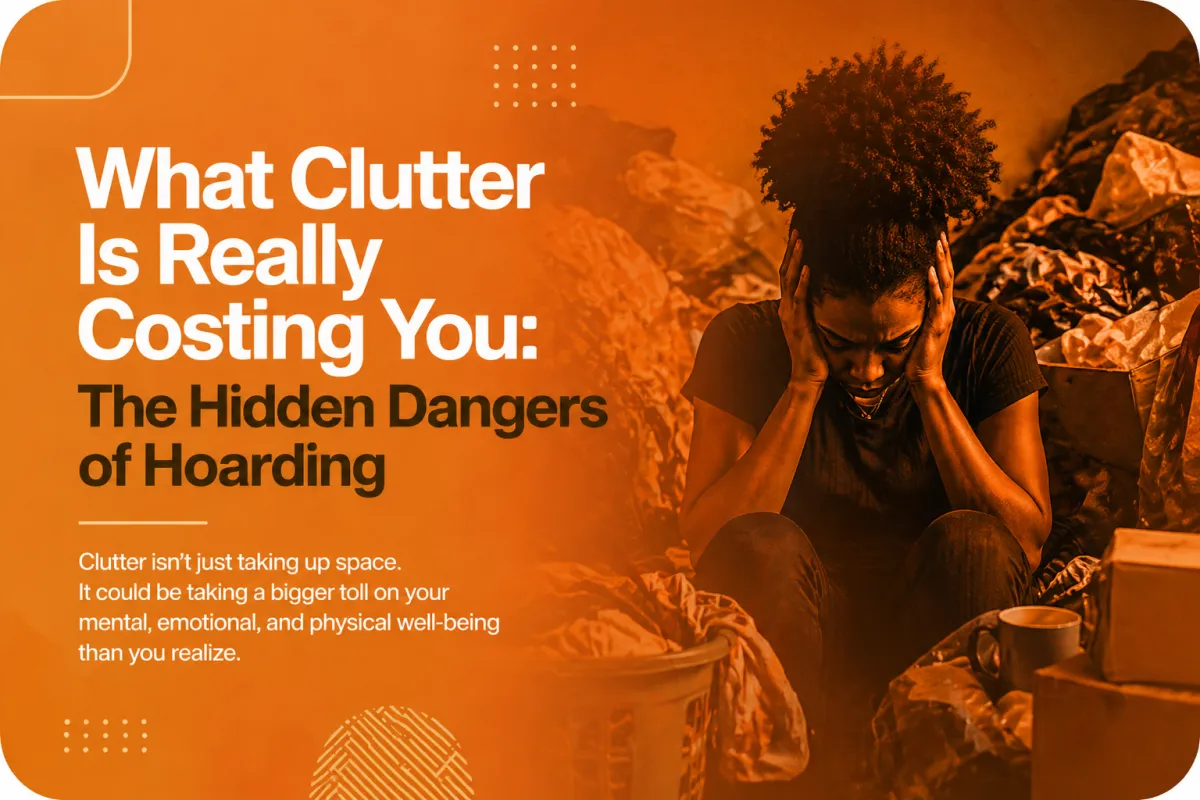
What Clutter Is Really Costing You: The Hidden Dangers of Hoarding
Introduction:
Clutter may seem harmless at first. Something you can deal with later. Something that does not feel urgent. But when clutter grows into hoarding, it becomes a serious threat to your safety and health. What looks like disorganization on the surface can quietly turn into danger that puts lives at risk.
Main Points:
1. Blocked Pathways Create Life-Threatening Risks
When hallways, doors, and staircases are filled with items, movement becomes difficult and unsafe. Blocked pathways limit your ability to move quickly and safely. In an emergency, every second matters.
If exits are not clear, escape becomes harder. Clutter can take away the time you need to get to safety. What seems manageable during normal moments can become dangerous when urgency is involved.
2. Increased Fire Risk
Hoarded items such as paper, clothing, and other materials can easily catch fire. Clutter fuels fire and allows it to spread faster. Combined with blocked exits, this creates a high-risk situation.
Fire hazards are often hidden within the clutter. The more items you store, the greater the danger becomes. This is not just about space. It is about protecting your life and your home.
3. Poor Air Quality and Health Issues
Cluttered spaces create the perfect environment for dust, mold, and pests. These hidden factors affect the air you breathe every day. Over time, this can lead to respiratory problems, allergies, and long-term health issues.
For older adults or those with existing conditions, these risks become even more serious. Your environment directly affects your health, and clutter can silently make it worse.
4. Risk of Injury and Accidents
Items stacked high or scattered across floors increase the chance of accidents. Trips, falls, and falling objects become everyday risks. What feels like a small inconvenience can quickly turn into a serious injury.
Safety is not just about emergencies. It is about how you move and live every day. Clutter makes even simple actions unsafe.
5. Mental and Emotional Impact
Living in a cluttered space affects more than your physical environment. It increases stress, reduces focus, and drains your energy. Daily tasks become overwhelming, and your home no longer feels like a place of comfort.
Your space influences your mindset. When your environment is chaotic, your mind often feels the same.
Actionable Steps:
1. Prioritize Safety First
Start by clearing pathways and making exits accessible. Focus on reducing immediate risks before anything else.
2. Identify High Risk Areas
Look for spaces that pose the greatest danger. Address fire hazards, unstable piles, and blocked access points.
3. Take Small Controlled Steps
You do not need to fix everything at once. Consistent small actions lead to real progress.
4. Seek Professional Help if Needed
If the situation feels overwhelming, reach out for support. Professional services can handle cleanup safely and efficiently.
Key Takeaways
Clutter can become a serious safety and health risk when it grows unchecked
Blocked pathways and fire hazards increase danger in emergencies
Poor air quality and hidden contaminants affect long-term health
Your environment impacts both your physical safety and mental well-being
Call to Action:
Your home should be a place of safety, not risk. Do not wait for problems to escalate before taking action.
Start today by making your space safer, one step at a time. Every small action protects your health, your safety, and your peace of mind.
The sooner you act, the safer your environment becomes.


