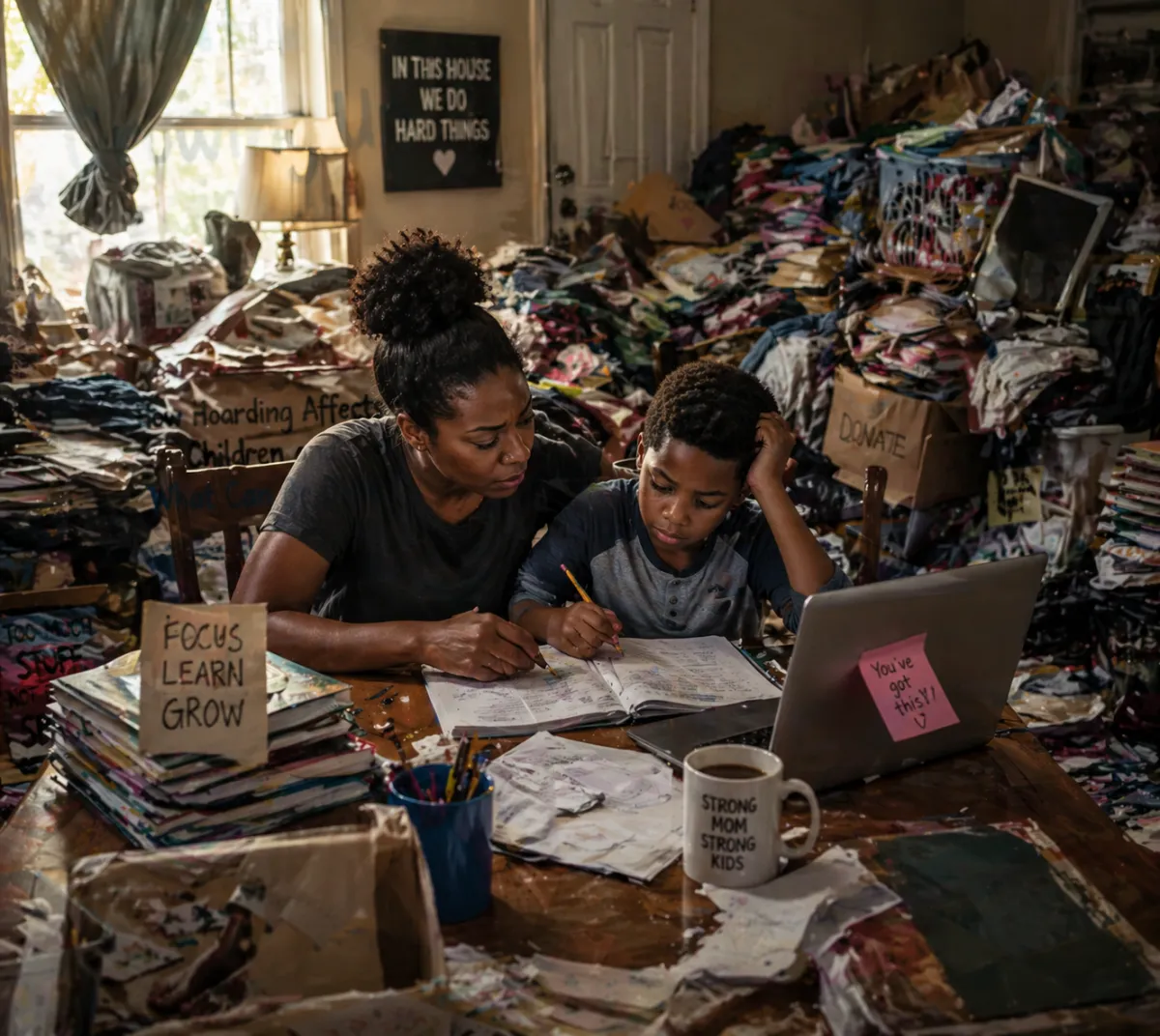
The Hidden Effects of Hoarding on Kids
Growing Up in Clutter: How Hoarding Affects Children and What Can Be Done
Introduction:
Children who grow up in cluttered homes experience a reality that many people do not fully understand. What may look like simple clutter to others can feel overwhelming and stressful for a child. A home should be a place of safety, comfort, and stability. When clutter takes over, that sense of security begins to disappear.
Main Points:
1. Limited Space Affects Growth and Development
When rooms are filled with items, children lose the space they need to play, learn, and relax. A lack of usable space limits creativity and focus.
Children need an environment that supports their growth. Without it, their ability to develop healthy routines and habits becomes more difficult.
2. Safety Risks Become Part of Daily Life
Cluttered spaces increase the risk of accidents. Trips, falls, and falling objects can happen at any time. Blocked exits can create danger during emergencies.
Safety should never be uncertain. A child should not have to navigate hazards in their own home.
3. Health Concerns From the Environment
Dust, mold, and pests can build up in cluttered areas. These conditions can affect a child’s health over time. Respiratory issues, allergies, and discomfort become more likely.
A healthy environment is essential. What surrounds a child every day directly impacts their well-being.
4. Emotional and Social Impact
Children may feel embarrassed about their living situation. They may avoid inviting friends over or talking about their home. This can lead to isolation and low confidence.
They may also feel confused or conflicted. They know something feels wrong, but may not understand why. In some cases, children take on responsibilities beyond their age, trying to cope with the situation on their own.
Actionable Steps:
1. Create a Safe Space for the Child
Start by clearing a small area that is clean and functional. Even one safe space can improve comfort and stability.
2. Encourage Open Communication
Allow children to express how they feel. Listen without judgment and reassure them that they are not responsible.
3. Focus on Safety First
Clear pathways and ensure exits are accessible. Reduce immediate risks to protect the child’s well-being.
4. Seek Professional Support
Therapists and cleanup professionals can help guide the process. Support creates better outcomes for the entire family.
Key Takeaways:
A cluttered home affects a child’s physical, emotional, and mental well-being.
Limited space can impact development and daily routines
Safety and health risks increase in cluttered environments
Support and small changes can create meaningful improvement
Call to Action:
Every child deserves a home that feels safe, stable, and supportive. If clutter is affecting your environment, do not ignore it.
Start with one step. Create one safe space and begin making changes today.
Because addressing hoarding is not just about the space, it is about protecting the people who live in it, especially the ones who are still growing.


